

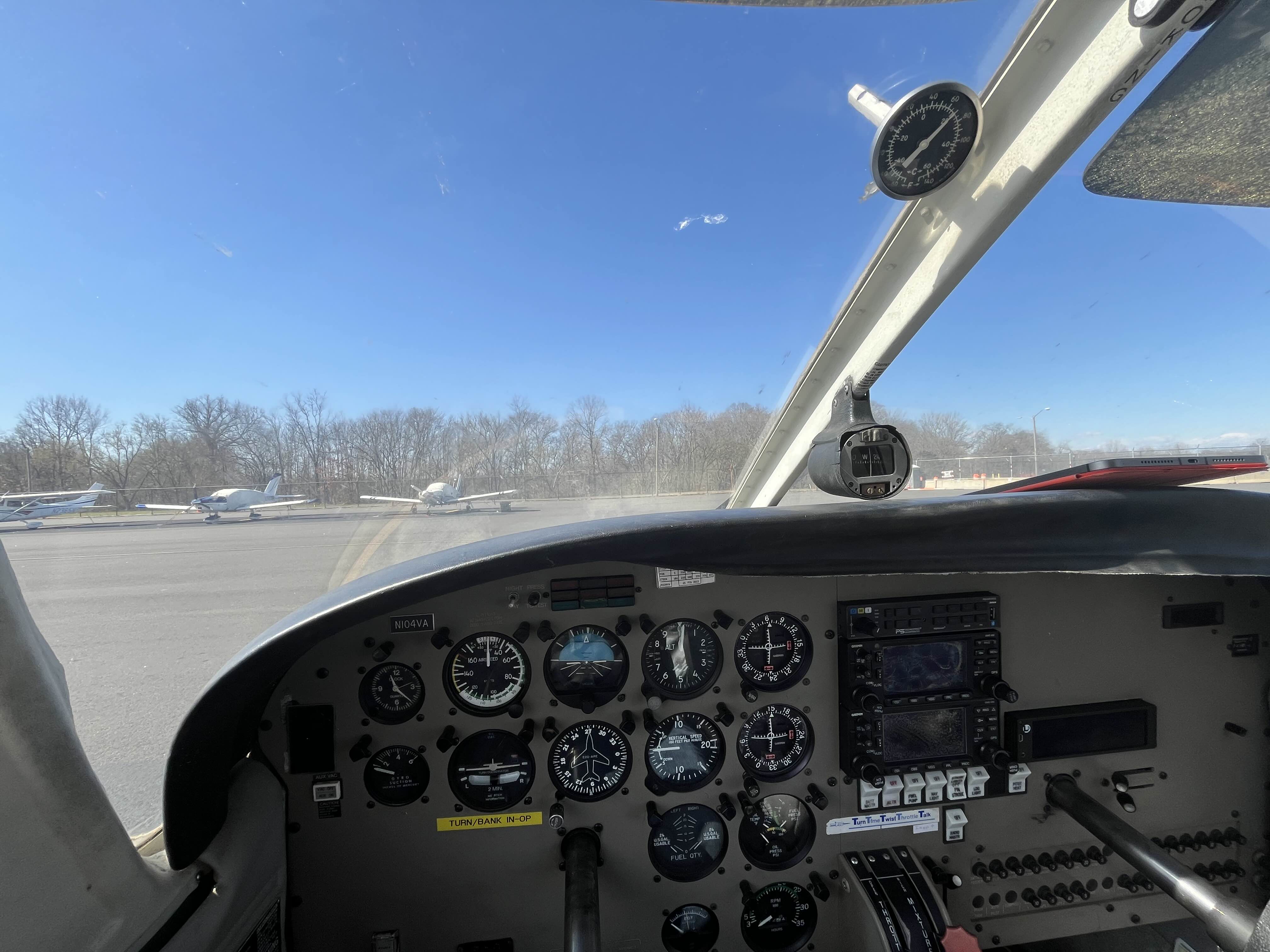
The categories of flight time worth tracking
One flight can count toward several categories at once. A night cross-country lesson with your instructor, for example, is dual, night and cross-country time, and all of it is part of your total. A good flight hour tracker records each category separately so nothing gets double counted or missed.
- Total flight time
- Dual received, which is time with an instructor
- Solo time, with you as the sole occupant
- Cross-country time
- Night time
- Instrument time, either simulated or actual
- Takeoffs and landings, including night landings
Why manual hour totals go wrong
- Carrying a running total across paper pages invites small arithmetic errors that compound
- Decimal tenths are easy to mis-add by hand
- A flight that counts in two categories is easy to record in only one
- Errors tend to surface at the worst time, when you are checking minimums before the practical test
What the private pilot minimums look like
For the airplane private pilot certificate under Part 61, 14 CFR 61.109 sets minimum aeronautical experience. Many students need more than the minimum, so treat these as a floor, not a target date.
| Requirement (airplane, Part 61) | Minimum |
|---|---|
| Total flight time | 40 hours |
| Flight training with an instructor (dual) | 20 hours |
| Solo flight time | 10 hours |
| Dual cross-country | 3 hours |
| Dual night training | 3 hours, including one cross-country of more than 100 NM total distance and 10 takeoffs and landings to a full stop |
| Dual instrument training | 3 hours |
| Solo cross-country | 5 hours |
| Long solo cross-country | One flight of at least 150 NM total distance, with full-stop landings at three points and one segment of at least 50 NM |
| Solo at a towered airport | 3 takeoffs and landings to a full stop at an airport with an operating control tower |
| Checkride preparation | 3 hours of dual in the 2 calendar months before the practical test |
How FlightStride tracks your hours
- Add a flight log after each lesson with times, aircraft, route and remarks
- Total, dual, solo, night and cross-country time are calculated for you
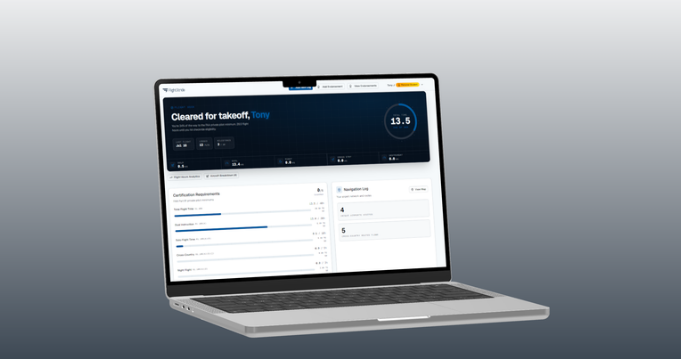
- Your dashboard shows progress toward the private pilot experience requirements
- Your linked CFI sees the same numbers, so you are both working from one record
Put this into practice with FlightStride
Log flights, see your progress toward the private pilot certificate, and keep your instructor in the loop. Free to start, no credit card required.
Frequently asked questions
How do I track my flight hours as a student pilot?
Log every flight right after it happens, recording total time and each category such as dual, solo, night and cross-country. A flight hour tracker like FlightStride totals each category for you so you always know your current numbers.
What is the difference between dual and solo time?
Dual time is flight training received from an authorized instructor in an aircraft. Solo time is flight time during which you are the sole occupant of the aircraft.
Is there a free flight hour tracker?
Yes. FlightStride lets you create a free account and start tracking flight hours immediately.
How many hours do I need for a private pilot license?
The FAA minimum for the airplane private pilot certificate under Part 61 is 40 hours, but most students take longer. See our guide on how many hours it takes to get a private pilot license for realistic numbers.